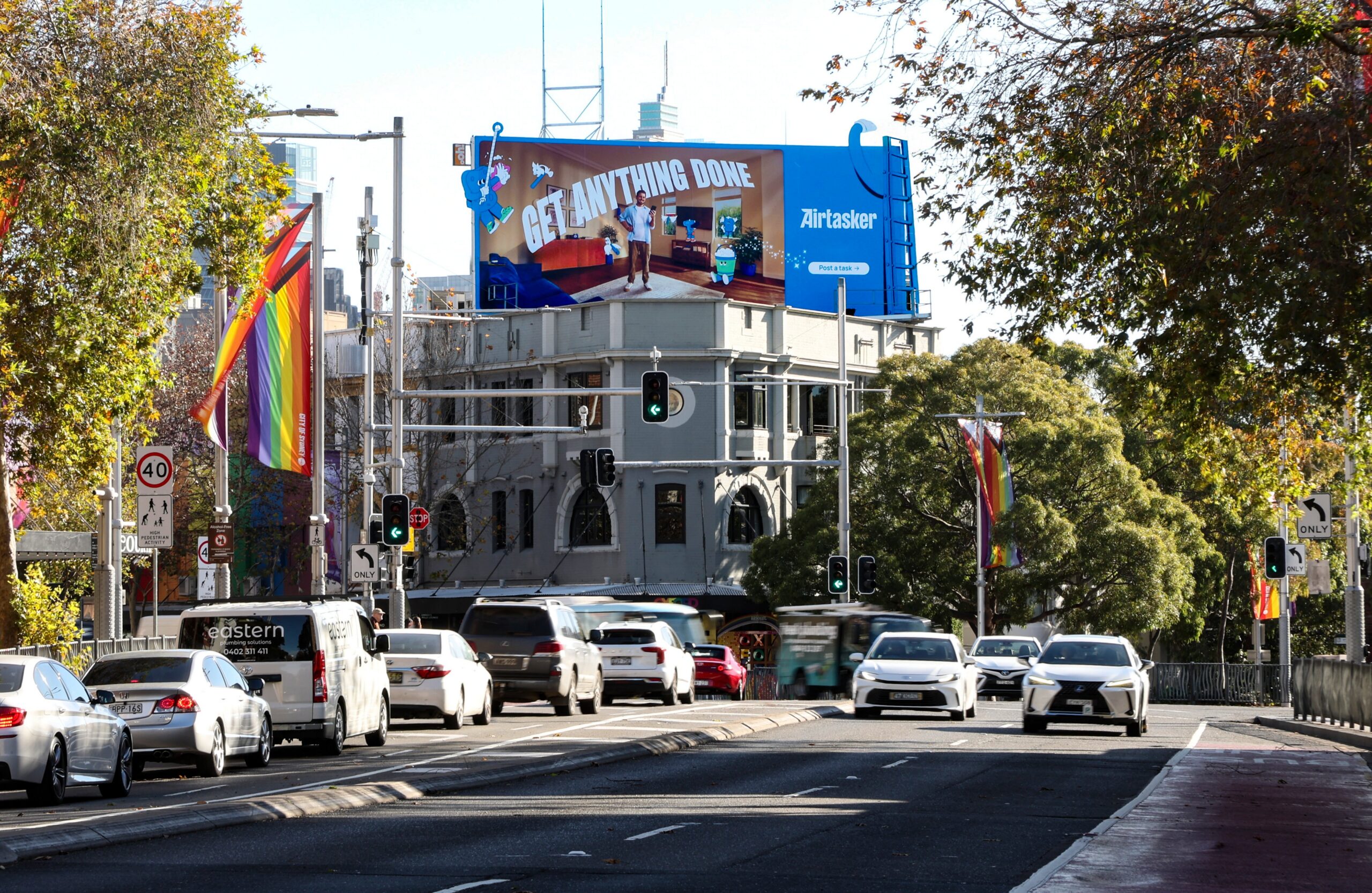
As originally publisged via AdNews.
The out-of-home industry has spent years digitising its networks, but the latest data from measurement platform MOVE is challenging the assumption that digital alone means better results.
oOh!media chief product and marketing officer Bel Harper, in an interview with AdNews, said classic OOH should be the foundation of any campaign.
“The fundamentals would be to start with classic and then build your digital over the top,” said Harper.
The view is supported by Analytic Partners research, which found advertisers using both classic and digital OOH delivered 39% greater ROI compared to campaigns using digital OOH alone.
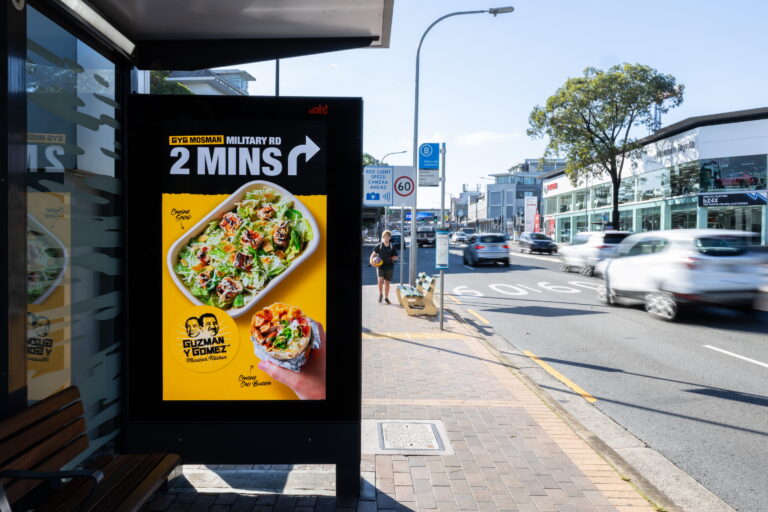
Suburban placements were also identified as generating up to 37% stronger ROI than CBD-only activity, reflecting where audiences actually live, shop and spend.
“If you think about the city of Sydney, for example, it makes up about 33 suburbs,” said Harper.
“So, only a small proportion of people actually live in the CBD, and about 30% to 40% of people are coming into the CBD each day.
“So, it makes sense that if you only plan CBD, you’re only reaching a small proportion of the country or the city that you’re planning in.
“We know that a huge volume of spend actually happens outside of the CBD, so it’s where people are living and where they’re shopping and they’re spending.”
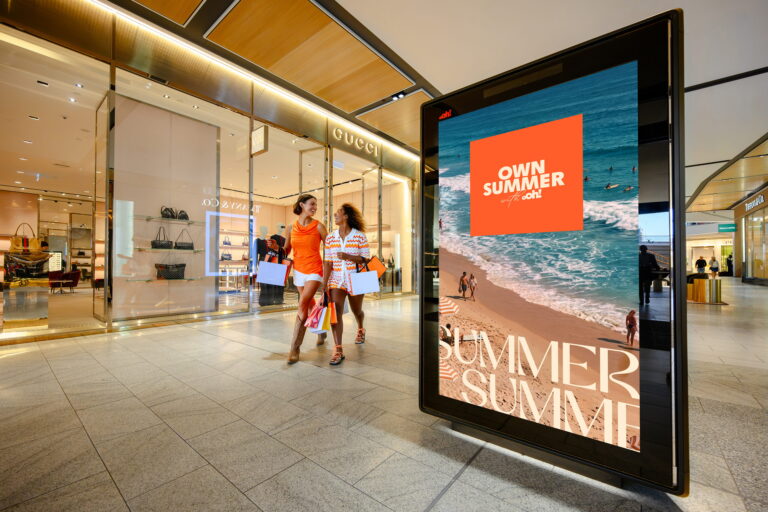
oOh! pointed to Westpac transaction data, where more than $4 billion is spent weekly in suburban Australia, around three times more than in the CBD.
The suburban argument is not the only thing prompting brands to reconsider digital-only OOH.
Harper said the behaviour of the world’s most data-driven advertisers was its own case study.
“You would expect an Apple, a very digital-led business, to think only digital, but it’s really interesting that in many, many countries, they only use either 100% share of time on digital or they use classic billboards,” said Harper.
“There’s got to be something in it, when the smartest brands in the world are making sure that digital is not the only lead of the way that they’re placing their media.”
Allianz is another example, with Harper noting the insurer had taken a deliberate approach to keeping classic about 40% of its OOH campaigns.
On measurement, Harper said oOh!’s recently launched MOVE platform was changing how the network assessed the value of digitising individual sites.
“What the new MOVE measurement is allowing us to do is understand the way audiences are interacting at every specific location,” said Harper.
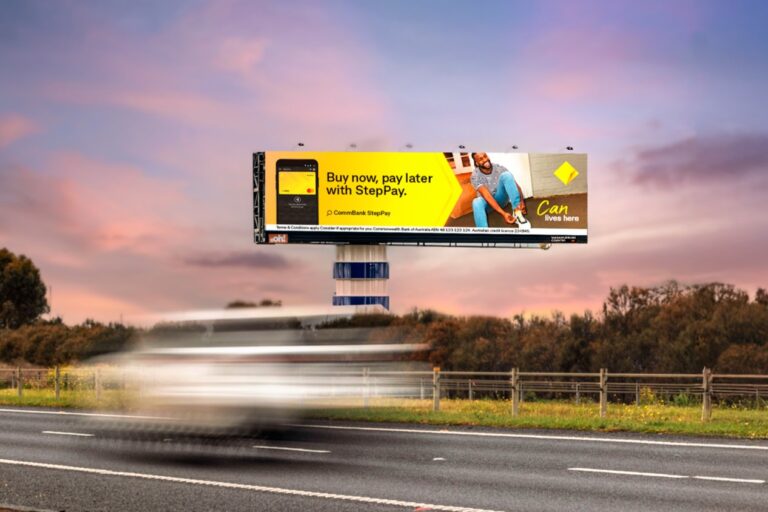
“Because of the way pedestrians move and the way traffic flow moves – and MOVE actually measures vehicular traffic down to the kilometre – if you’re on a freeway or at an intersection, it might inform the concept of, do we digitise that or don’t we digitise that.
“I think our network is very balanced. We’ve got about 50% of faces available to sell our digital and 50% classic.
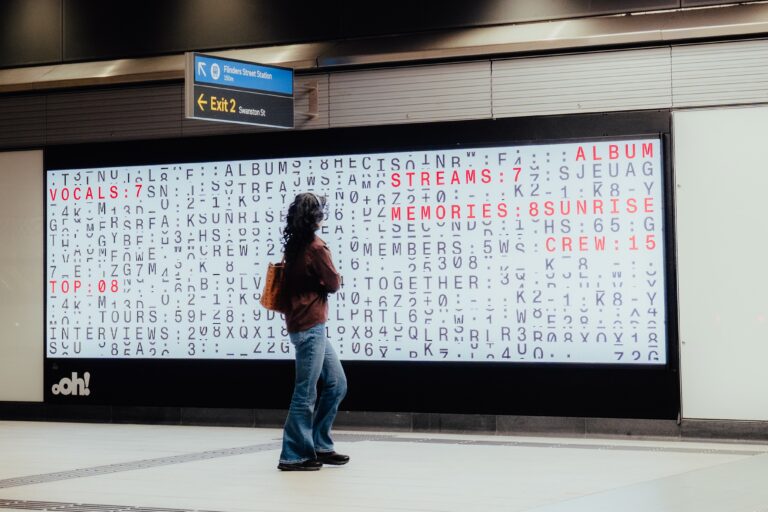
“The concept of digitising everything has probably been turned on its head, purely because classic is such an ROI driver and it’s such a strong performer in terms of holding audience and building memory and coding over time. Digital is about moments and classic is about memories.”
Harper said oOh!’s testing pointed to a 50/50 split as the optimal mix, delivering more than 50% greater reach for the same budget.
“For the same budget, you’re getting more audience. You’re also getting ownership of key locations that, obviously, particularly in a billboard world, are hand-selected locations,” said Harper.
“Then using, the other 50% to build or to put into pockets where you don’t have that incremental reach or you want to interact with an audience at a specific location.”
Contextual creative has emerged as a key performance driver, with Harper explaining brands were increasingly using suburb-level messaging.
“We’re about to launch an AI tool which helps to moderate and serve to a much more localised messaging scale. We can work with brands to really contextualise within their suburb, their street, their area,” said Harper.
A Pepsi Max campaign that expanded into suburban OOH saw a 48% lift in consideration, with more than one in three takeaway occasions including a purchase directly influenced by OOH exposure.
Chris Colter, managing director of media strategy ANZ at Accenture Song, said the case for classic formats was growing stronger.
“Classic is becoming even more important in today’s society because there is a power in permanence. Classic builds memories, whereas digital builds momentum. One makes you feel famous and the other makes you feel highly relevant. Together they are unavoidable,” said Colter.