As originally published via Mi3.
Out-of-home is more measurable, accountable and commercially understood than ever. Which means it’s time we planned better to garner more impact. Here, oOh!media’s chief product and marketing officer, Bel Harper, busts three myths around how to best leverage OOH to build the memory structures and contextual presence that delivers full-funnel brand outcomes.
Media planning has become increasingly shaped by speed: Faster optimisation, faster reporting, faster proof. While accountability has been good for media, it’s forced every channel to work harder, to prove where it can drive growth.
Out-of-home is no exception. Over the past decade, we’ve become more measurable, accountable and commercially understood. At oOh!, that has meant mapping audience segments against every OOH asset, investing in transaction-based sales outcomes to understand campaign performance, and working with partners like Analytic Partners to identify the principles that drive stronger results.
But there is a risk in how effectiveness is now framed. Planning can become optimisation: Chasing what can move quickly or be adjusted in real time. All showing of that has a role, but it’s not the whole job of media. Brands are not built in dashboards. They are built through presence, memory and consistency; by showing up in culture, and in the environments where people live and make decisions.
That is why OOH matters. Not simply because it reaches people, but because it connects brands to real life. With MOVE, we now have a more granular understanding of how that works.
The opportunity is not to prove OOH, but to plan it better – building brands where memory and decisions are formed.
Classic is the memory builder
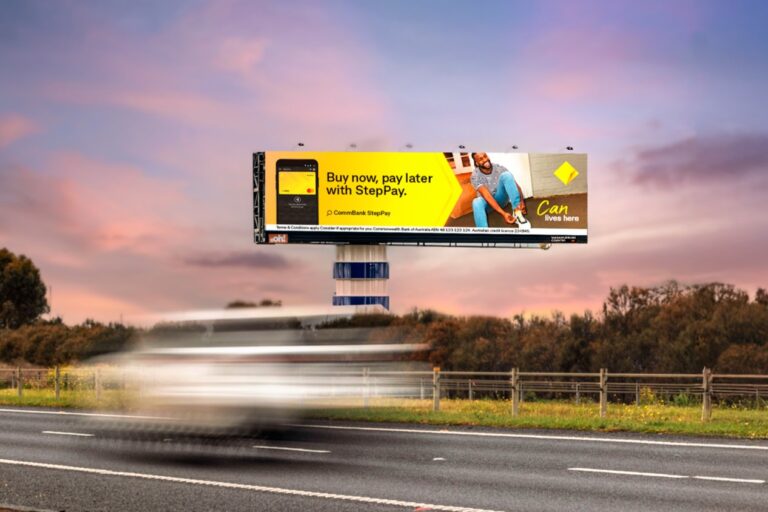
One of the biggest traps in OOH planning is treating Classic as the less flexible part of the plan. If the brief is framed around agility, Digital becomes the default. But attention doesn’t build this way. It accumulates through repetition, scale and consistent presence, which is where Classic does the heavy lifting.
There’s a reason brands like Apple, Nike and Coca-Cola continue to invest heavily in Classic formats, because they understand the value of being unmissable. Classic gives brands scale in the physical world, creating mental availability, making brands feel established and present and the data backs this.
Analytic Partners modelling shows Classic can deliver 39 per cent stronger ROI than Digital-only approaches¹, while MOVE data found brands shifting 20 per cent of their spend into Classic can increase reach by 22 per cent in billboard environments. Used together in media plans, Classic and Digital can increase total reach by up to 50 per cent².
The lesson is not Classic versus Digital, but their complementary roles. Classic builds memory, Digital extends and reinforces it, and should often be the starting point for brand building campaigns.
The suburbs are where demand happens
The industry has always had a fascination with the CBD. But the CBD is where people work. The suburbs are where they live, shop and make decisions.
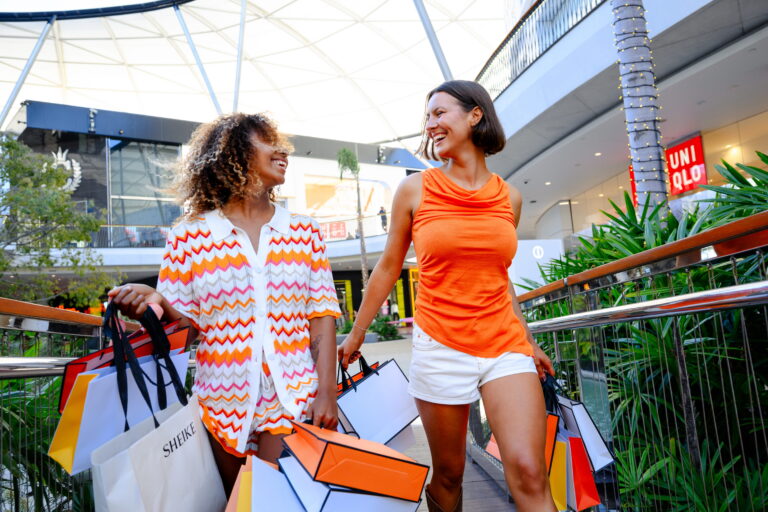
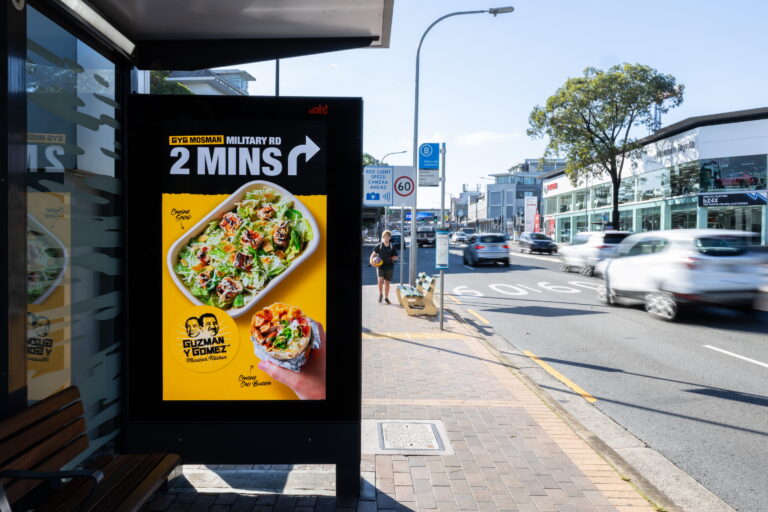
Westpac transaction data shows more than $4 billion is spent in suburban Australia every week, around three times more than in the CBD⁴. That should change how we think about planning. It’s where people move between daily routines. This matters because familiarity is built consistent exposure visibility in real environments.
Applying MOVE data, investing the same budget across five capital cities, moving from a CBD-only approach to include suburban environments can unlock up to 57 per cent more reach. ² Analytic Partners analysis backs this up: Suburban campaigns deliver up to 37 per cent stronger ROI than CBD-only approaches¹. It’s about planning around how people actually move.
Pepsi Max’s expansion into suburban OOH is a good example. The campaign saw a 48 per cent lift in consideration, with over one in three takeaway occasions including a purchase directly influenced by exposure.
For oOh!, this is why the suburban footprint matters. Growth in OOH will come from being present where attention, behaviour and spending increasingly happen.
OOH works hardest when it works across the consumer journey
The third shift is moving from assets to journey. OOH is still too often planned as separate formats: A billboard, retail panel, maybe airport, office, street or rail added in. But audiences don’t experience media that way. They move through environments, seeing brands in different contexts, at different times, with different levels of attention and intent.
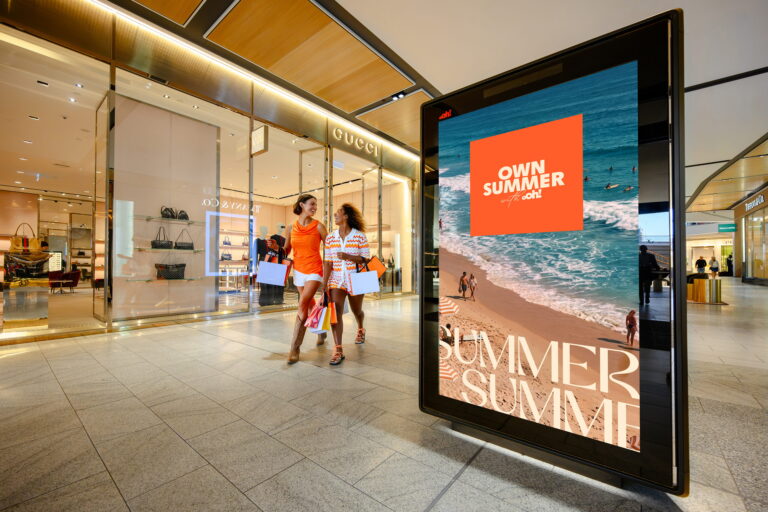
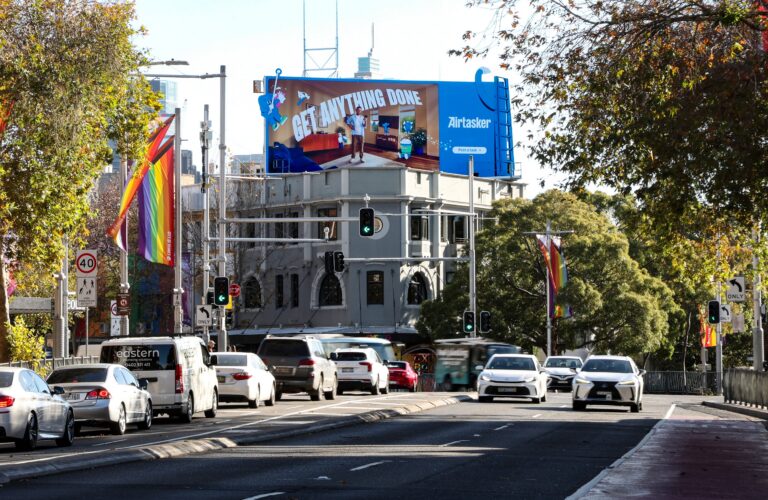
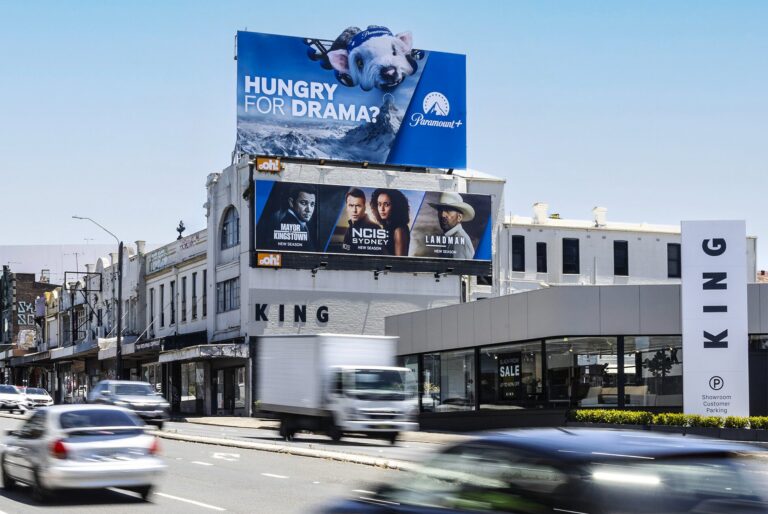
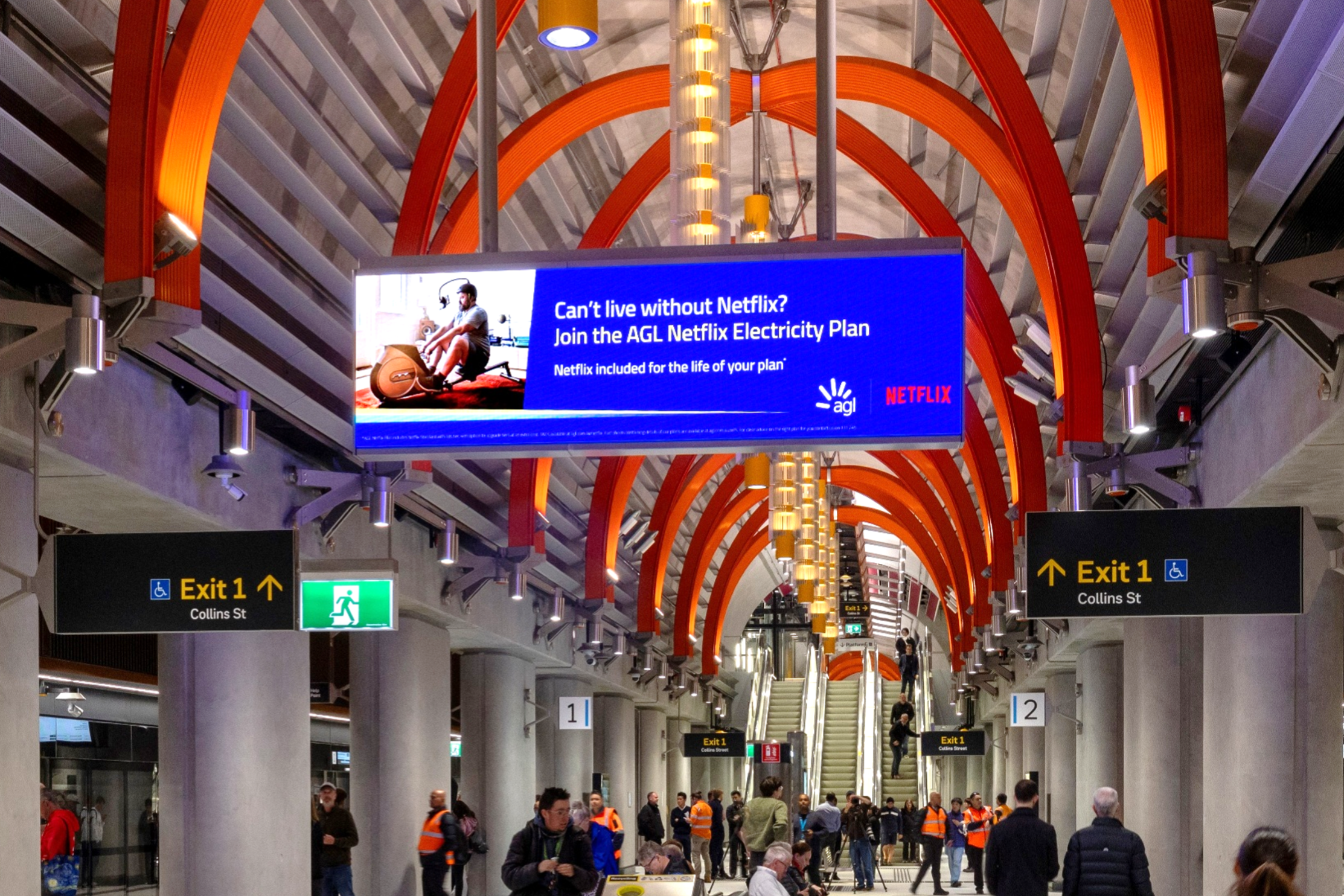
Billboards build scale and fame. Airports and office environments build repetition among high-value audiences. Retail, street and rail bring brands closer to the action. Together they build familiarity across the full rhythm of people’s day.
According to Analytic Partners multi-format OOH delivers up to 30 per cent higher ROI than single-format approaches when using the same budget¹. When targeting category buyers, returns can more than double. The strongest-performing mix compromising of billboards, airports, office and retail, can deliver up to 21 per cent higher ROI than other configurations¹.
When formats are split across providers, duplication rises and frequency efficiency declines. Single-provider campaigns deliver 36 per cent stronger ROI and are significantly more effective than they were three years ago¹. Airwallex is a strong example. A coordinated mix of airport, office, rail and billboard environments reached C-suite audiences, increased frequency, reduced duplication and ensured connected planning.
Planning is now the growth lever
OOH hasn’t become more effective because the medium suddenly changed. It has become more effective because we understand it better. We have better data, measurement and proof of how format, geography and frequency influence outcomes.
But measurement alone does not create growth. Planning does.
The brands generating strongest returns from OOH are not simply buying media. They’re building memory systems: Showing up at scale, close to demand, and consistently across the environments that shape behaviour.
That is the shift. OOH should not be planned as isolated formats or short-term optimisation layers. It should be planned around how attention forms, where decisions are made and how environments work together over time. At oOh!, that is the thinking behind how our network continues to evolve: National scale, stronger audience intelligence and environments designed to work as one connected system.
Because the future of OOH is not about proving the channel works. It’s about applying what we know to plan it properly. And in that sense, the advantage in OOH is no longer defined by the medium. It is defined by how well it builds brand.
Sources:
- Analytic Partners, Collected Market Mix Models, 2004-2025
- MOVE, oOh!media, billboards network, P14+, Metro, default SOT
- oOh! Sales Outcomes; Westpac Data X 2025
- Westpac Data X