As originally published via B&T.
By Mark Fairhurst, Chief Revenue Officer, oOh!media
After spending much of my career in Out of Home, one thing has become increasingly clear, we love to talk about attention, how to win it, measure it, optimise it and hold onto it for more than a second. Yet we rarely talk about the geography of attention: the places where it happens, how it builds across a day and why some channels continue to deliver long after the budget has been spent.
For as long as I can remember, our industry has chased efficiency metrics while overlooking the essential ingredients that consistently builds brands: repeated, unskippable, real-world reach.
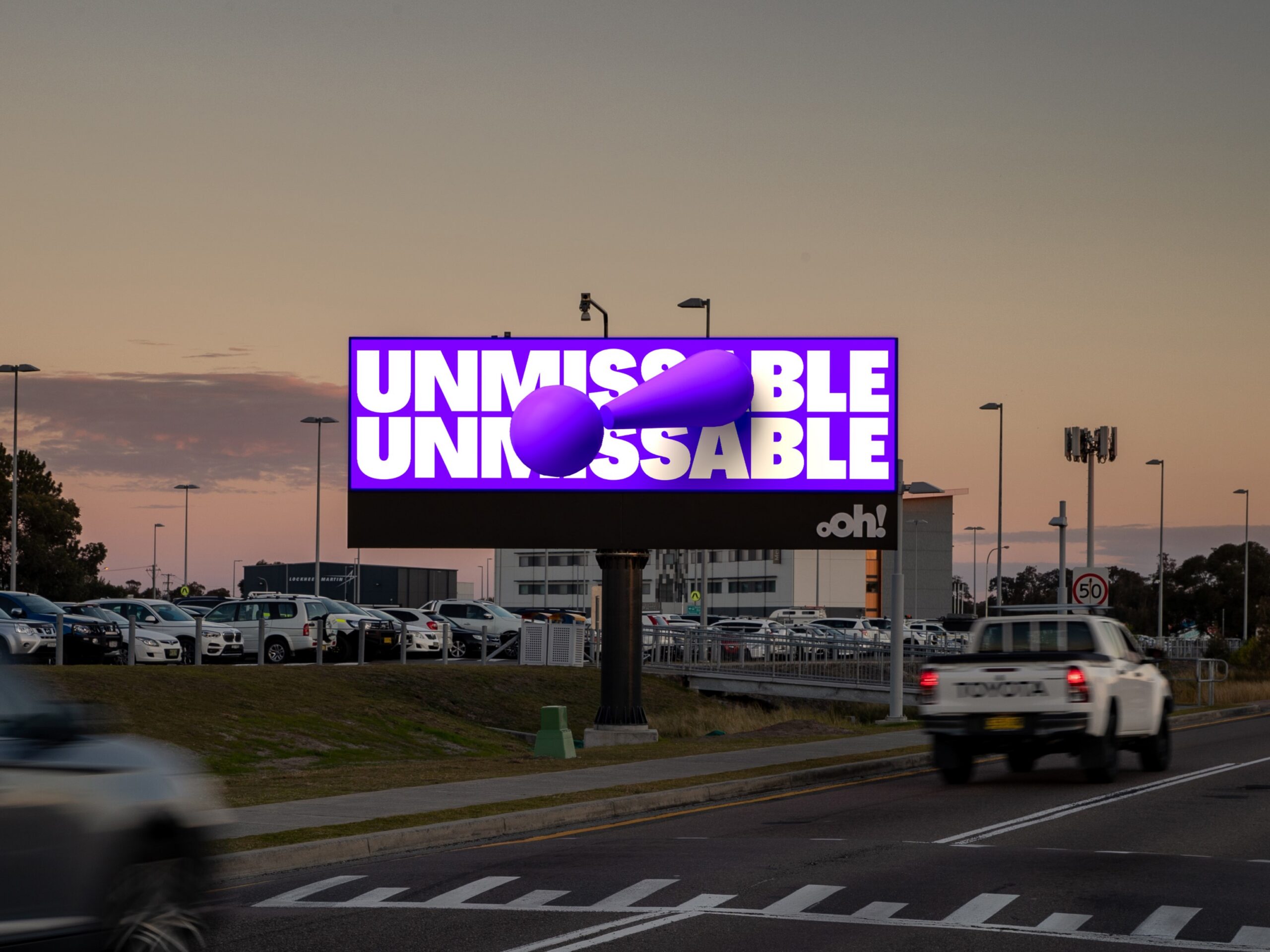
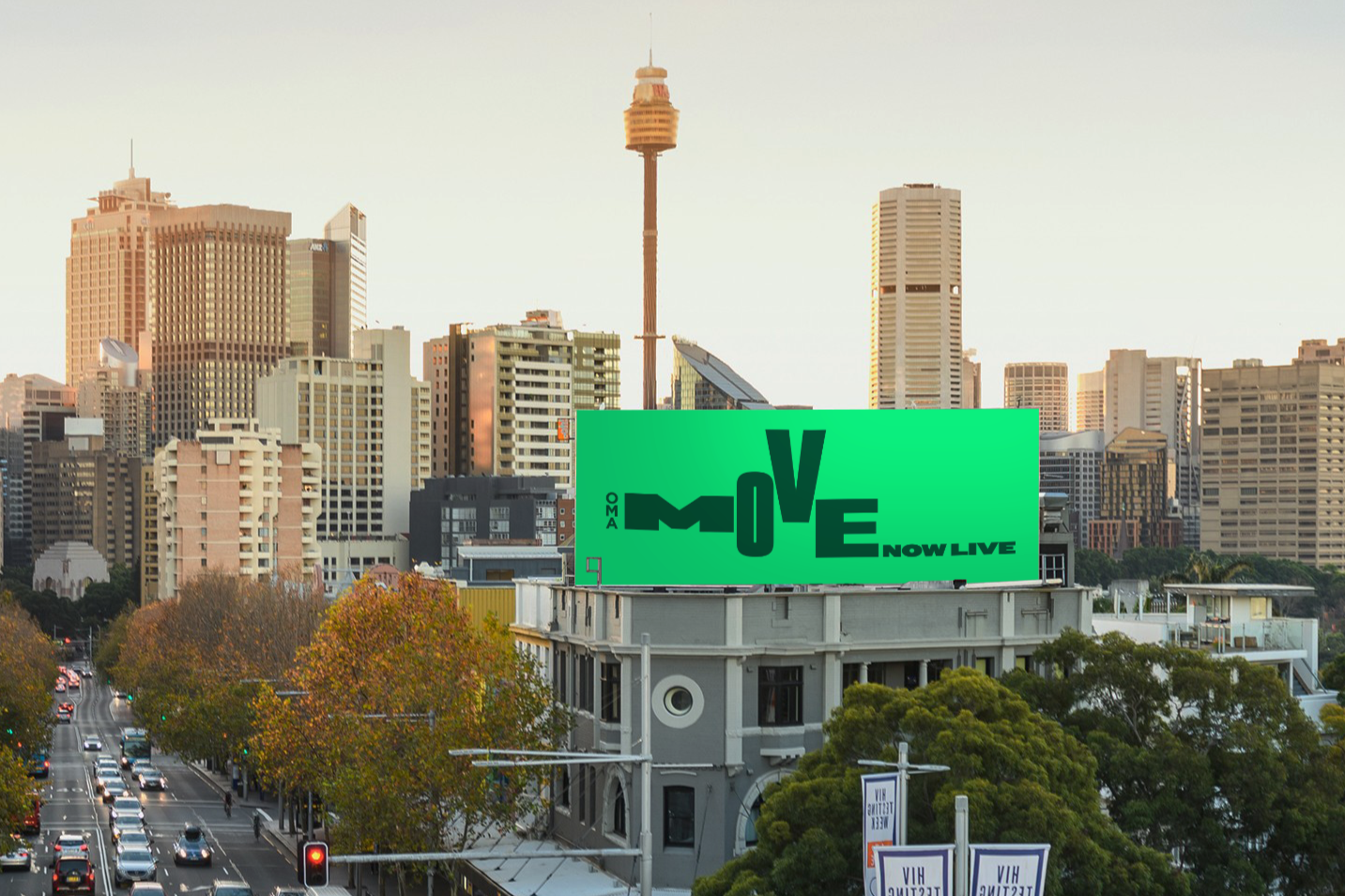
MOVE finally gives us the clarity we have been missing. As a world leading measurement system tracking how Australians move across 7 million road segments, it cuts through long held assumptions and shows how people really move, what they encounter and, most importantly, what they actually see. It quantifies attention in the real world, revealing where people travel, how often they pass key locations and which formats deliver true, unmissable reach.
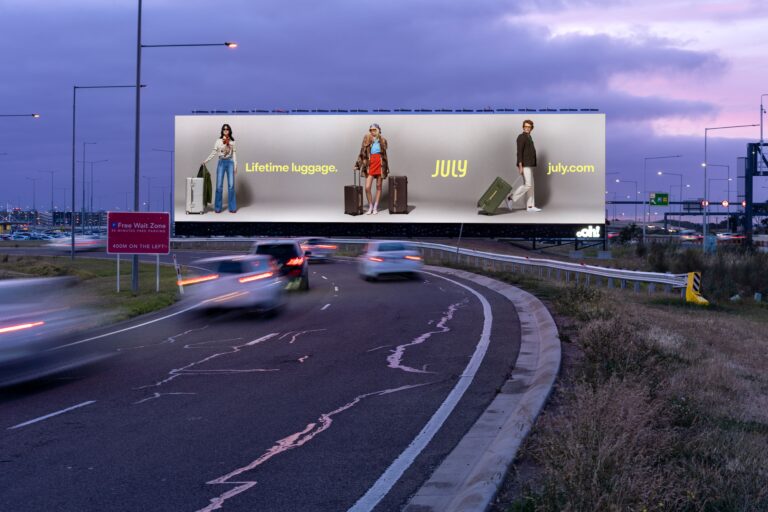
One of the biggest shifts emerging from the data we are seeing is just how consistently Classic OOH delivers that reach at scale, and once you see that picture clearly, its role moves quickly from legacy format to reach engine.
For years, Classic has been treated like the poor cousin of the media plan, unglamorous, often overlooked and yet consistently delivering the strongest results. MOVE shows just how much heavy lifting it has been doing. On major arterials, MOVE data shows that within our own network 95 percent of Classic billboards deliver more than 10 percent reach.
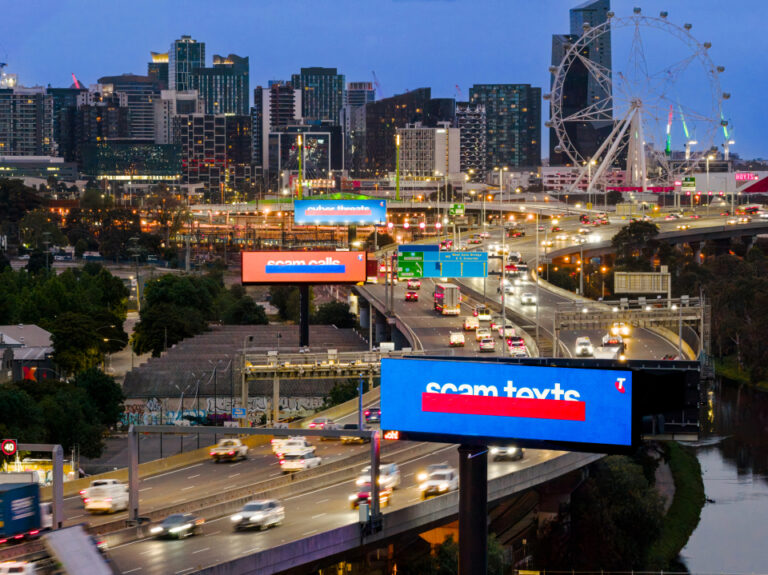
MOVE is also reshaping how we understand the scale of OOH. Many of us have known instinctively that OOH works because people encounter it far more often and far more consistently than traditional planning tools have ever been able to show. What MOVE gives us now is the proof, a clearer and more accurate picture of not just where people travel but how frequently they come into contact with the environments that shape brand recall. It provides a level of clarity the industry has not had before, and that clarity becomes even more powerful when Classic and Digital OOH work together, with MOVE modelling showing that brands that add Classic to Digital billboards can increase total reach by 20 percent.
Classic provides the broad and unavoidable foundation that builds memory and mental availability through its one hundred percent share of time (SOT), while Digital adds the flexibility to adapt messaging, respond to context and layer in creative nuance. One builds the base and the other sharpens the edge, and when they work in unison, reach does not simply grow, it compounds.
This is the moment we need to rethink our planning. If Classic is delivering this level of individual reach and Digital amplifies it, then the issue is not the channels themselves but the way we have been planning them. Too often we have applied a digital mindset to OOH, fragmenting placements, rotating messages too quickly, prioritising CPMs and overlooking the compounding effect of real-world presence. MOVE shows that digital is most effective when it builds on the foundation that Classic creates, adding flexibility, context and creative variation that strengthen both impact and effectiveness. What MOVE ultimately reveals is the gap between how OOH is planned and how audiences actually move.
The regional picture is just as important. With more than one third of Australians living outside metropolitan areas, we are missing out on a significant opportunity, and MOVE shows how consistently OOH reaches these audiences, along with the steady flow of more than one million metro travellers moving through regional centres every week. For brands that need true national coverage, regional OOH is no longer a nice to have, it is a critical part of achieving real reach and unlocking growth.
And what MOVE makes clear is that reach happens in the places people actually move, and we can now see that with a level of clarity we have not had before. The brands that win from here will be the ones designing OOH with intention, planning for memory rather than impressions and using Classic and Digital together, along with Regional and Metro, to create national plans that compound rather than fragment.