
Originally published via AdNews.
This year wasn’t just another strong one for out-of-home (OOH), it was the year progressive marketers and buyers changed their thinking on how the channel is bought, planned and valued. The focus shifted from chasing cheap effective panel rates and blunt benchmark metrics, to creating real and measurable impact, from transactional deals to transformational ideas. As we move into 2026, that evolution is opening up a new era of opportunity, one where smarter buying and a return to the fundamentals of quality, environment and context can build stronger brands and better results.
There is a mindset shift happening which will only strengthen as we move into the new year. As our agency partners make bold strides to make the transaction simpler, faster and smarter, we can all concentrate on things that really matter like ideation, innovation, quality and influence. Focusing on both efficiency and effectiveness is the only positive pathway to growth for customers big and small. A simple shift in focus from “how cheap can I get it?” to “how powerful can I make it?” changes the conversation and unlocks the power of partnership and creative energy.
OOH was once seen as an afterthought, the last line on a media plan, and the place where creative messaging was often taken from existing campaign assets. Those days are gone. Now, with OOH claiming more than 16% of the media pie, it commands serious attention from brands and agencies alike. It’s not just a broadcast alternative or a reach extension; it’s a core, creative, and measurable part of omnichannel campaigns.
From transaction to transformation
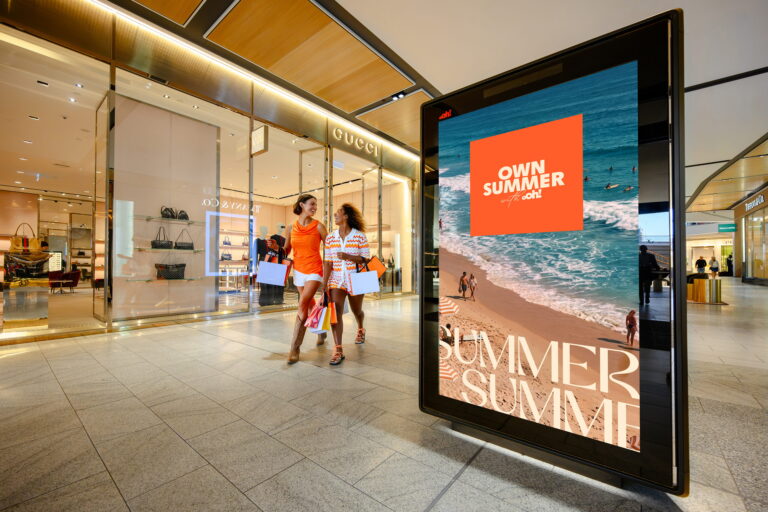
The sector has traditionally been defined by the transaction, effective price rate, discount, reach curves, and block plans. Those hygiene factors still matter of course, but they’re no longer the end game. When the transaction becomes a hygiene factor, it creates space for imagination, integration and impact. And we’re seeing the results of that everywhere, from high-profile media firsts to creatively brave brand stories built for the street, airport, metro and rail stations, road or office.
More brands are designing campaigns specifically for OOH and marketers are recognising the power OOH offers as the medium continues to capture attention at scale and make brands unmissable in an environment of significant media disruption and fragmentation.
This shift has been matched by longer-term client partnerships with more building OOH into their year-round, always on strategies. Marketers and agencies are committing to sustained programs rather than campaign-by-campaign buys. That’s led to better creative, stronger collaboration, and a greater appetite for innovation. When brands and media partners collaborate over the longer term, the focus shifts from price to performance and from metrics to ideas that matter to consumers, while driving measurable business outcomes.
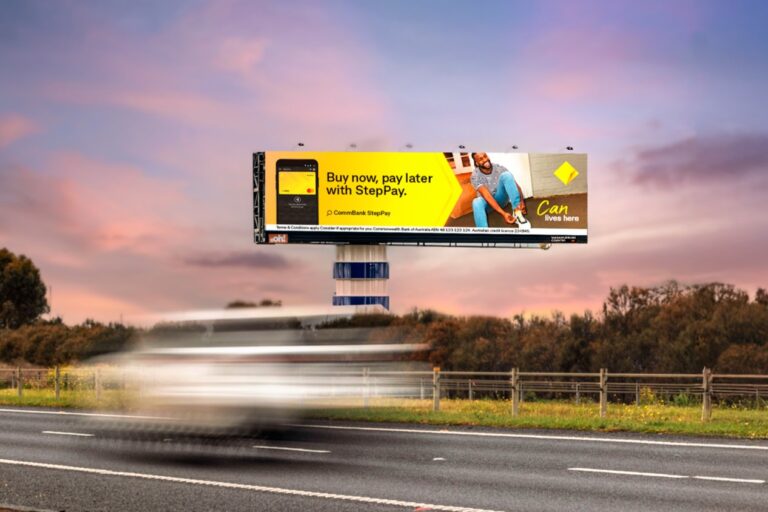
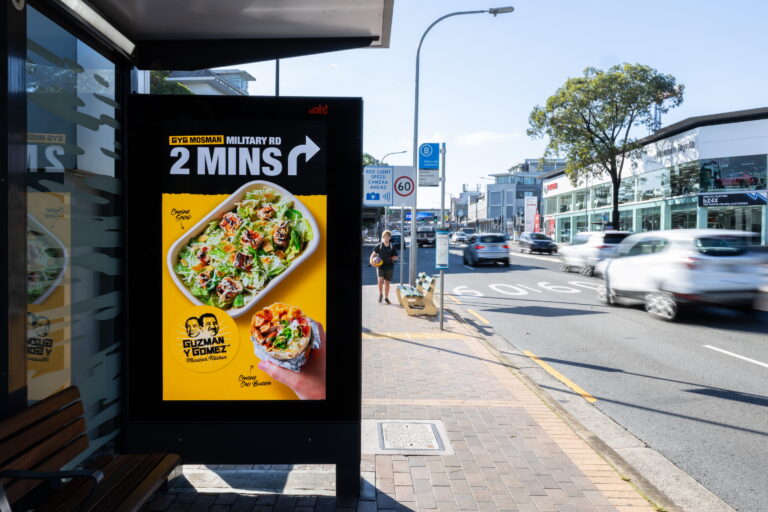
As digital powers OOH growth, classic formats are having a quiet resurgence. Smart advertisers are blending both classic for 100% share of voice and brand presence, with digital for flexibility and contextual storytelling. It’s a more mature approach and the ‘digital for digital’s sake’ phase is over. Now it’s about effectiveness and using the right format for the right purpose.
Regional on the rise
The next major OOH growth story will come from regional Australia. With MOVE2 rolling out next year, regional Out of Home will finally have audience measurement on par with metro markets and it represents a big moment for the industry.
At a time when other regional media channels are under pressure, OOH is stepping up as the channel that can deliver true national reach and consistency across both metro and regional markets. And as the only truly national OOH media company with networks in both, it’s an enormous opportunity for marketers to leverage.
Back to brand-building
There is a clear shift away from short-term activation towards big brand ideas and that will accelerate in the coming 12 months.
We’re seeing strong forward investment from banking and finance, telecommunications and continued strength in streaming services given the impact of global M&A activity. Automotive has long been a core category for OOH and it will be interesting to watch given the influx of new electric brands and models at a range of price points.
We expect the fundamental drivers of OOH growth will hold true. In 2026 It will be driven by smarter data, measurable outcomes and further product and technological innovation. MOVE2 will lift accountability across the sector, while ease of planning and buying will be a focus to reduce friction and unlock precious time.
OOH isn’t an add-on anymore; it’s becoming a marketing anchor. The place brands go to build fame, trust, and attention in the real world. If this year was about transition, the next will be about transformation. At oOh!, we’ve been laying the groundwork for that future by simplifying our structures, sharpening our strategy, extending and strengthening our networks and aligning our offering to deliver faster, smarter outcomes for clients. OOH will continue to grow its role as a true omnichannel medium, one that connects physical presence with digital amplification, brand storytelling with measurable outcomes. OOH isn’t just continuing to grow; it’s growing up.